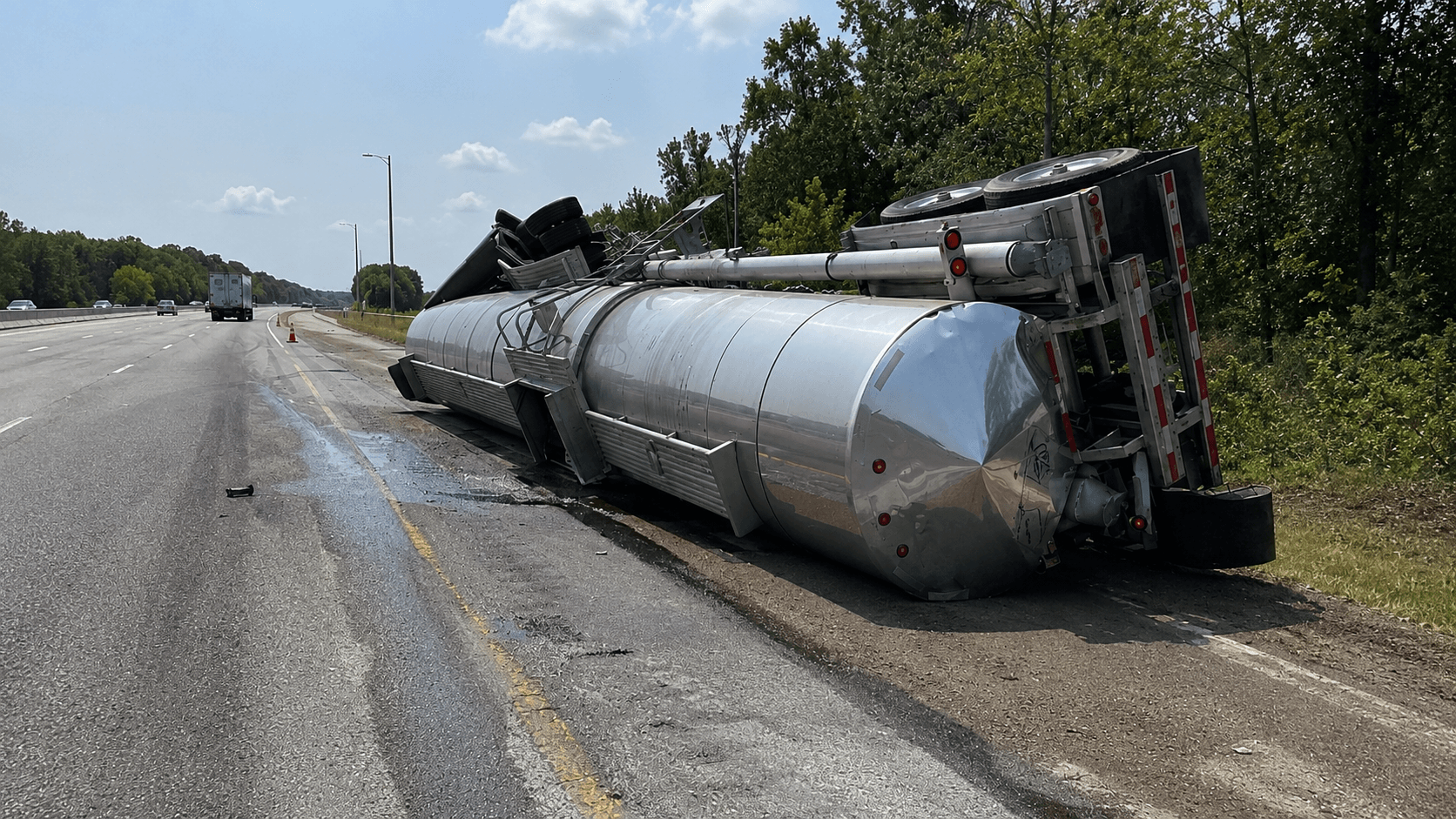
Fuel tanker crashes are not ordinary truck wrecks. When a tanker is carrying gasoline, diesel, crude oil, or another petroleum product, the crash investigation may involve fire risk, spill response, hazmat documentation, cargo tank inspections, driver qualifications, electronic data, and multiple companies that touched the shipment before the wreck happened.
That is why evidence preservation is so important after a Texas fuel tanker accident. The trucking company, tanker owner, shipper, loader, broker, maintenance vendor, and insurance companies may all have records that help explain what went wrong. Some of that evidence can disappear quickly unless action is taken early. For a broader overview of who may be responsible after a crash, see our guide to Texas oil tanker accident liability.
Why Fuel Tanker Evidence Is Different
In many car wreck cases, the key evidence may include photographs, police reports, witness statements, and medical records. Those things matter in tanker cases too, but they are only the beginning.
Fuel tanker accident cases may also involve:
Hazardous materials shipping papers
Placards and cargo identification numbers
Tanker inspection and testing records
Driver qualification files
CDL tanker and hazmat endorsement records
Hazmat training documents
Dispatch instructions
Electronic logging device data
Telematics data showing speed, braking, and location
Dash camera footage
Maintenance records for brakes, tires, valves, hoses, and closures
Loading and unloading records
Spill response and cleanup documentation
Communications between the carrier, shipper, broker, and driver
This evidence can help determine whether the crash was caused by driver error, unsafe company practices, poor maintenance, improper loading, equipment failure, or a combination of several factors.
Shipping Papers and Hazmat Documentation
When hazardous materials are transported, shipping papers can become important evidence. These documents may identify the material being hauled, the quantity, the hazard classification, and emergency response information.
After a crash, investigators may look at whether the shipping papers were accurate, complete, and available. Missing or incorrect hazmat documentation can raise serious questions about whether the shipment was handled safely.
Placards and Cargo Identification
Fuel tankers often display placards or identification numbers showing the hazardous material being transported. These markings are not just technical details. They help first responders understand the danger at the scene and decide how to respond.
If a tanker was incorrectly placarded, missing required markings, or carrying different cargo than the paperwork suggested, that can become an important liability issue.
Injured in an Accident?
Free consultation. Tell us what happened and learn what options may be available.
Cargo Tank Inspection and Maintenance Records
The tanker itself may be a critical piece of evidence. Cargo tanks, valves, hoses, closures, gaskets, pressure-relief devices, and emergency shutoff systems must be properly inspected and maintained.
After a crash involving a leak, fire, explosion, or spill, an attorney may investigate whether the cargo tank was safe for service before it was placed on the road. Important questions may include:
Were required inspections performed on time?
Were defects repaired before the tanker was used?
Did valves, hoses, or closures fail?
Was there evidence of corrosion, leakage, worn components, or prior damage?
Did a maintenance company miss a dangerous condition?
Did the carrier keep using equipment that should have been taken out of service?
These records can help show whether the wreck was preventable.
Electronic Data Can Disappear Quickly
Modern commercial vehicles often generate valuable electronic evidence. This may include:
Speed before impact
Hard braking
Sudden steering movements
Hours-of-service data
GPS location
Route history
Engine data
Dash camera video
Driver-facing camera video
Dispatch messages
Some systems overwrite data after a short period of time. That is one reason it is important to send preservation letters quickly after a serious tanker crash. Once video or electronic data is gone, it may be difficult or impossible to recover. This is one reason injured victims should speak with a Texas 18-wheeler accident lawyer as soon as possible after a serious tanker wreck.
Driver Qualification and Training Records
Fuel tanker drivers may need special qualifications depending on the cargo and vehicle. In a lawsuit, the driver’s file may show whether the company properly investigated the driver before putting them behind the wheel.
Relevant records may include:
CDL records
Tanker endorsement records
Hazmat endorsement records
Prior crashes or safety violations
Drug and alcohol testing records
Training records
Disciplinary history
Hours-of-service compliance
If a company hired an unsafe driver, failed to train the driver, ignored warning signs, or pressured the driver to meet an unsafe schedule, the company may share responsibility for the crash.
Loading and Unloading Evidence
Fuel tanker cases may also involve the companies that loaded, unloaded, arranged, or controlled the shipment. Improper loading can affect vehicle stability. Unsafe procedures during loading or unloading can create spill, fire, or exposure risks.
Potential evidence may include:
Loading tickets
Terminal records
Weight records
Bills of lading
Security footage
Communications with dispatch
Instructions from the shipper or broker
Records showing who controlled the timing and route of the load
These documents may help identify defendants beyond the truck driver and motor carrier.
Multiple Companies May Be Involved
A serious fuel tanker wreck may involve more than one insurance policy and more than one responsible company. Depending on the facts, potential defendants may include:
The tanker driver
The motor carrier
The tanker owner
The shipper
The loader
The broker
A maintenance company
A repair facility
A parts manufacturer
A company responsible for valves, hoses, closures, or tank components
Identifying every responsible party matters because catastrophic tanker crashes can cause severe injuries, permanent disability, burn injuries, toxic exposure, and wrongful death.
What Injured Texans Should Do After a Fuel Tanker Crash
If you were injured in a crash involving a fuel tanker, your health comes first. Get medical attention immediately and follow your doctor’s instructions. If you are able to do so safely, preserve anything you have from the crash, including photographs, videos, witness information, police paperwork, medical records, and insurance communications.
You should also avoid giving recorded statements to the trucking company’s insurance carrier before speaking with an attorney. Tanker cases are complex, and early statements may be used against you later.
How The Wooley Law Firm Helps After Fuel Tanker Accidents
The Wooley Law Firm investigates serious truck wrecks across Texas. In fuel tanker cases, we move quickly to preserve evidence, identify all responsible parties, and determine whether hazmat violations, unsafe trucking practices, poor maintenance, improper loading, or equipment failures contributed to the crash.
If you were injured in a Dallas fuel tanker crash, Texas oil tanker wreck, hazmat truck accident, or other serious commercial vehicle collision, you may have the right to seek justice and pursue compensation for medical expenses, pain and suffering, lost wages, mental anguish, impairment, and other damages.
Call (214) 699-6524 for a free consultation. You don’t pay unless we win. Contact Us Today!
Topics
Share This Article

Andrew J. Wooley
Personal Injury Attorney
Andrew J. Wooley is a dedicated personal injury attorney based in Dallas, Texas. He focuses on helping accident victims recover fair compensation for their injuries. With a commitment to personalized service, Andrew works directly with each client to understand their unique situation and fight for their rights.