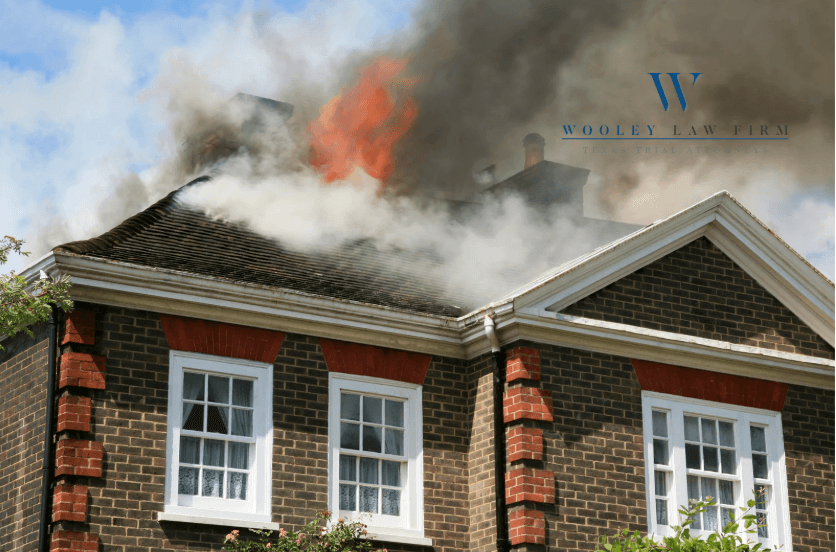
A house fire can change your life in an instant. Even after the fire is put out, Texas homeowners may be left dealing with smoke damage, water damage, destroyed belongings, temporary housing costs, contractor estimates, repairs, and a stressful homeowners insurance claim.
You paid for homeowners insurance to protect you after a disaster. But what happens when the insurance company delays your fire claim, denies coverage, or offers far less than it should?
In Texas, an insurance company may be acting in bad faith if it fails to handle a valid homeowners insurance claim fairly and reasonably. If your fire loss claim was delayed, denied, or underpaid, you may have a legal claim against your insurance company.
What Is an Insurance Bad Faith Claim in Texas?
An insurance bad faith claim happens when an insurance company fails to treat a policyholder fairly during the claims process. In Texas, insurance companies must investigate claims properly, communicate honestly, explain claim decisions, and pay covered claims within the deadlines required by law.
Bad faith may occur when an insurer:
Denies a valid homeowners insurance claim without a reasonable basis
Delays payment without a valid reason
Fails to properly investigate fire, smoke, or water damage
Misrepresents what the policy covers
Offers an unreasonably low settlement
Refuses to explain why the claim was denied or underpaid
Not every disagreement with an insurance company is bad faith. However, when the insurer’s conduct is unreasonable, unfair, or deceptive, the homeowner may have rights beyond simply demanding payment under the policy.
Why Home Fire Insurance Claims Are Often Disputed
Fire loss claims are often more complicated than they first appear. The damage is not always limited to the area that burned. A house fire may cause several types of covered damage, including:
Structural fire damage
Smoke and soot damage
Water damage from firefighting efforts
Electrical damage
Roof and attic damage
HVAC contamination
Damaged furniture, clothing, and personal property
Odor contamination
Debris removal costs
Temporary housing expenses
Code upgrade issues
Insurance companies sometimes try to limit payment to visible burn damage while ignoring smoke damage, hidden contamination, personal property loss, or the full cost of repairs. That can leave homeowners without enough money to rebuild, repair, replace belongings, or safely return home.
Common Examples of Insurance Bad Faith After a Texas Fire Loss
1. The Insurance Company Delays the Fire Claim
After a fire, homeowners need quick answers. You may be out of your home, paying for a hotel or rental property, and trying to protect what remains of your house.
Warning signs of an improper delay include:
The insurer takes too long to assign an adjuster
Inspections are repeatedly postponed
The company keeps asking for documents you already provided
The adjuster stops responding
The claim sits for weeks or months without a decision
The insurer delays payment after agreeing the loss is covered
Texas insurance companies must follow claim-handling deadlines. If your fire claim is being delayed without a valid reason, you should have the claim reviewed.
2. The Insurer Fails to Properly Investigate the Fire Damage
A fair fire claim investigation should look at the full loss. That may include the structure, smoke damage, soot contamination, personal property, repair estimates, cause-and-origin reports, and whether the home is safe to occupy.
An insurer may be acting in bad faith if it denies or underpays the claim based on:
A rushed inspection
An incomplete estimate
Failure to inspect hidden smoke or soot damage
Ignoring contractor estimates
Ignoring damaged contents
Using a biased or incomplete expert report
Failing to consider all available evidence
The insurance company cannot simply look for reasons to pay less. It must conduct a reasonable investigation before making a claim decision.
Injured in an Accident?
Free consultation. Tell us what happened and learn what options may be available.
3. The Insurance Company Misrepresents Your Policy
Homeowners insurance policies can be difficult to understand. They may include exclusions, endorsements, deductibles, limits, replacement cost provisions, actual cash value provisions, and additional living expense coverage. Bad faith may occur when an insurer misrepresents policy terms or tells a homeowner something that is not true.
Examples include:
“Smoke damage is not covered.”
“You do not have coverage for temporary housing.”
“You must use our preferred contractor.”
“Your personal property is not covered.”
“The damage is wear and tear, not fire-related.”
“This is not covered,” without explaining the policy language.
If the insurance company’s explanation does not match your policy, you may have a bad faith claim.
4. The Fire Damage Settlement Offer Is Too Low
Many Texas fire loss disputes involve lowball estimates. The insurance company may accept that the fire caused damage but still offer far less than the true cost of repair or replacement.
A low offer may be improper if the insurer:
Leaves out necessary repairs
Uses unrealistic labor or material pricing
Ignores smoke and soot remediation
Fails to include code upgrades
Undervalues personal property
Applies depreciation incorrectly
Refuses to consider contractor estimates
Pays only part of the covered damage
If your contractor’s estimate is much higher than the insurance company’s estimate, that does not automatically prove bad faith. But it is a major red flag that should be investigated.
5. The Insurance Company Denies the Fire Claim Without a Clear Explanation
If your homeowners insurance claim is denied, the insurance company should clearly explain why. A vague denial letter may not be enough. A proper denial should identify the facts, policy language, exclusions, or conditions the insurer is relying on. If the company denies your claim without a reasonable explanation, it may be violating Texas insurance law.
Common denial reasons in fire loss claims include:
Alleged arson
Alleged misrepresentation
Alleged vacancy
Policy exclusions
Late notice
Pre-existing damage
Failure to cooperate
Disputes about cause and origin
Some denials are valid. Others are not. A Texas insurance bad faith lawyer can review the denial letter, policy, and evidence to determine whether the insurer had a reasonable basis for its decision.
What Damages Can You Recover in a Texas Insurance Bad Faith Fire Claim?
If your homeowners insurance company acted in bad faith, you may be able to recover more than the original policy benefits.
Depending on the facts, a Texas bad faith fire claim may involve compensation for:
Unpaid insurance benefits
Underpaid repair or replacement costs
Personal property losses
Additional living expenses
Delayed payment interest
Attorney’s fees
Extra-contractual damages
Potential additional damages for knowing or intentional misconduct
The value of a bad faith claim depends on the policy, the damage, the insurer’s conduct, and how the delay or denial affected the homeowner.
What Should Texas Homeowners Do After a Fire Loss?
If your home was damaged by fire, the steps you take early can affect your insurance claim.
Document the Damage
Take photos and videos of every damaged area, including fire damage, smoke damage, water damage, roof damage, walls, ceilings, flooring, furniture, clothing, electronics, and personal belongings.
Save Every Communication
Keep copies of emails, letters, text messages, claim forms, estimates, inspection reports, and notes from phone calls with the insurance company.
Keep Receipts for Fire-Related Expenses
Save receipts for hotels, rental housing, meals, emergency repairs, storage, cleaning, clothing, and other costs caused by the fire.
Request a Complete Copy of Your Policy
Ask for the full homeowners insurance policy, including declarations, endorsements, exclusions, and amendments.
Get Independent Repair Estimates
Do not rely only on the insurance company’s estimate. Contractors, restoration companies, engineers, or contents specialists may identify damage the insurer missed.
Be Careful Before Giving a Recorded Statement
Insurance companies may ask for a recorded statement. Be honest, but be careful. Do not guess, exaggerate, or answer questions you do not understand.
Do Not Sign a Release Too Quickly
Before accepting a final settlement or signing a release, make sure the payment covers the full scope of the fire loss.
When Should You Call a Texas Insurance Bad Faith Lawyer?
You should consider contacting a lawyer if:
Your fire insurance claim was denied
Your claim has been delayed for weeks or months
The insurance company’s offer is too low
Your contractor’s estimate is much higher than the insurer’s estimate
The insurer is blaming exclusions without a full investigation
The adjuster ignored smoke, soot, water, or contents damage
You were accused of misrepresentation or arson
The insurance company will not explain its decision
You are being pressured to accept a low settlement
A lawyer can review the policy, investigate the claim handling, gather evidence, communicate with the insurance company, and determine whether you have a claim for breach of contract, insurance bad faith, unfair settlement practices, or delayed payment violations.
Frequently Asked Questions About Texas Fire Loss Bad Faith Claims
Can I sue my homeowners insurance company for denying my fire claim?
Yes, you may be able to sue if the insurance company wrongfully denied a covered fire claim. Depending on the facts, you may have claims for breach of contract, insurance bad faith, unfair settlement practices, or violations of Texas prompt payment laws.
Is a low fire insurance estimate bad faith?
Not always. Insurance companies and homeowners may disagree about repair costs. However, a low estimate may support a bad faith claim if the insurer ignored evidence, failed to investigate, omitted covered damage, or made an unreasonable offer after liability became clear.
What if my insurance company says the fire damage is not covered?
Ask for a written explanation and a copy of the policy language the insurer is relying on. Fire losses are often covered under homeowners insurance policies, but exclusions and conditions may apply. A lawyer can review whether the denial is valid.
What if my house has smoke damage but did not burn down?
Smoke and soot damage may still be covered. Fire-related smoke can contaminate walls, ceilings, furniture, clothing, HVAC systems, and personal property. If the insurance company ignores smoke damage, the claim may be underpaid.
How long does a Texas fire insurance claim take?
The timeline depends on the severity of the loss, the investigation, the policy, and whether the insurer disputes coverage. However, Texas insurance companies must follow claim-handling deadlines and cannot delay payment without a valid reason.
Speak With a Texas Insurance Bad Faith Lawyer After a Fire Loss
A fire can destroy your home, your belongings, and your sense of security. Your insurance company should not make the recovery process harder by delaying, denying, or underpaying your valid claim.
If your Texas homeowners insurance fire claim was denied, delayed, or underpaid, legal help may be available.
Call (214) 699-6524 for a free consultation. You don’t pay unless we win.
Topics
Share This Article

Andrew J. Wooley
Personal Injury Attorney
Andrew J. Wooley is a dedicated personal injury attorney based in Dallas, Texas. He focuses on helping accident victims recover fair compensation for their injuries. With a commitment to personalized service, Andrew works directly with each client to understand their unique situation and fight for their rights.