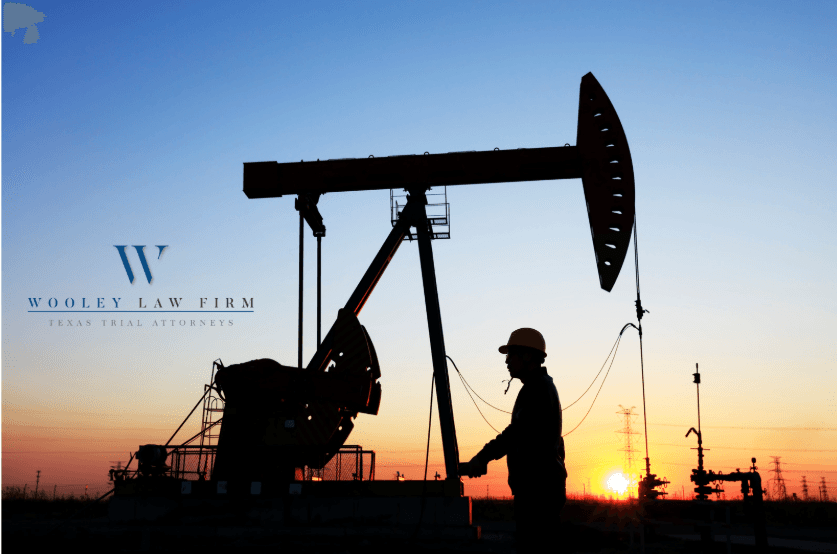
If you were injured in an oilfield accident or hurt at an energy jobsite, you’re likely dealing with more than just pain. You may be facing lost wages, rising medical bills, and pressure from employers or insurance companies. Oilfield injuries are often catastrophic, including amputations and, in the worst cases, fatal injuries, because this work involves heavy machinery, high-pressure lines, hazardous conditions, and high-energy environments where a single mistake or equipment failure can change a life in seconds. These claims can also be legally complex because oilfield sites often involve multiple companies working at the same location (operators, drilling contractors, service crews, trucking companies, equipment suppliers, and maintenance vendors) meaning liability may extend beyond your direct employer. This guide explains what an oilfield injury lawyer does, the steps to take after an accident, and how to identify all potentially responsible parties to protect your claim.
Why Oilfield Accidents Are So Serious
Oilfield and energy sites involve high-risk conditions that can cause catastrophic injuries:
Heavy equipment and moving vehicles
High-pressure lines and explosive hazards
Confined spaces and toxic exposure risks
Elevated work and fall hazards
Long shifts, fatigue, and rushed deadlines
Even “routine” tasks can become dangerous when safety rules aren’t followed or equipment isn’t maintained.
What to Do After an Oilfield Injury
The steps you take early can protect your health and preserve your legal options.
Get medical care immediately
Your health comes first. Oilfield injuries can worsen quickly, and some injuries aren’t obvious at first (head trauma, internal injuries, spinal damage).
Report the incident and document the scene
If you can do so safely:
Photograph hazards, equipment, and the work area
Get names of witnesses and supervisors
Write down what happened while it’s fresh
Don’t assume it’s “only workers’ comp”
In many oilfield cases, workers’ comp is not the only option, especially when a third party caused or contributed to the injury.
Avoid recorded statements and quick paperwork
Companies and insurers often move fast after a serious incident. Don’t give recorded statements or sign broad releases without legal guidance.
Injured in an Accident?
Free consultation. Tell us what happened and learn what options may be available.
Who Can Be Liable in an Oilfield Injury Case?
Oilfield accidents often involve multiple contractors, vendors, and site operators. Depending on the facts, liability may include:
A negligent contractor or subcontractor
Many jobsites have multiple crews working at the same time. Another company’s unsafe work practices can cause serious injury.
The site operator or premises owner
The party controlling the site may have responsibilities for safety systems, traffic control, and hazard management.
Equipment manufacturers
If equipment fails (cranes, rigs, hoists, valves, safety devices, vehicles), there may be a claim against the manufacturer for defect or unsafe design.
Maintenance and inspection providers
If a third-party maintenance vendor failed to inspect, repair, or service equipment properly, they may share responsibility.
Trucking and commercial vehicle operators
Oilfield sites frequently involve heavy truck traffic, including tankers, flatbeds, and other commercial vehicles. When a crash causes injury, the driver and trucking company may be liable. (If a commercial truck was involved, see our 18-wheeler wrecks page.)
Why It’s Important to Hire an Oilfield Injury Lawyer Early
Oilfield cases are evidence-driven. The earlier you act, the easier it is to secure the proof needed to hold the right parties accountable.
Evidence can disappear fast
Critical evidence may include:
Safety meeting records and site policies
Maintenance logs and inspection records
Job tickets, work orders, and shift assignments
Incident reports and witness statements
Equipment data and photographs of the hazard
If you wait, the site changes, paperwork gets “cleaned up,” and witnesses become harder to locate.
Multiple companies and multiple insurance policies
Unlike a simple workplace injury, oilfield cases may involve multiple defendants and layered insurance coverage. Identifying every responsible party can significantly affect the value of a claim.
A trial-ready approach increases leverage
Insurance companies undervalue cases that aren’t supported by objective evidence. A strong case is built around documentation, liability theory, and clear damages proof from day one.
What Compensation May Be Available
Every case is different, but an oilfield injury claim may include compensation for:
Medical bills and future medical care
Lost wages and loss of earning capacity
Pain and suffering
Impairment
Disfigurement
Wrongful death damages for families (in fatal incidents)
How The Wooley Law Firm Helps After a Texas Oilfield Injury
At The Wooley Law Firm, we move quickly to investigate oilfield incidents, identify every responsible party, and preserve the evidence that can make or break the case. Reach out through our Contact page.
Call (214) 699-6524 for a free consultation. You don’t pay unless we win.
Frequently Asked Questions About Oilfield Injury Claims
Do I only have a workers’ comp case after an oilfield injury?
Not always. Many oilfield injuries involve third parties like contractors, equipment makers, maintenance vendors, drivers which creates additional claims beyond workers’ comp.
What if I was hurt because another crew or company was careless?
That’s a common scenario. A third-party negligence claim may be possible depending on who caused the hazard and who controlled safety.
How long do I have to file an oilfield injury lawsuit in Texas?
Deadlines vary based on the claim type and facts. Waiting can also cause evidence loss. It’s smart to get advice early.
What if the company says the accident was my fault?
Blame-shifting is common. Evidence and witness statements matter, especially early documentation and safety records.
Should I talk to the insurance adjuster?
Be cautious. Recorded statements and quick settlement discussions can hurt your case. Get guidance first.
Topics
Share This Article

Andrew J. Wooley
Personal Injury Attorney
Andrew J. Wooley is a dedicated personal injury attorney based in Dallas, Texas. He focuses on helping accident victims recover fair compensation for their injuries. With a commitment to personalized service, Andrew works directly with each client to understand their unique situation and fight for their rights.