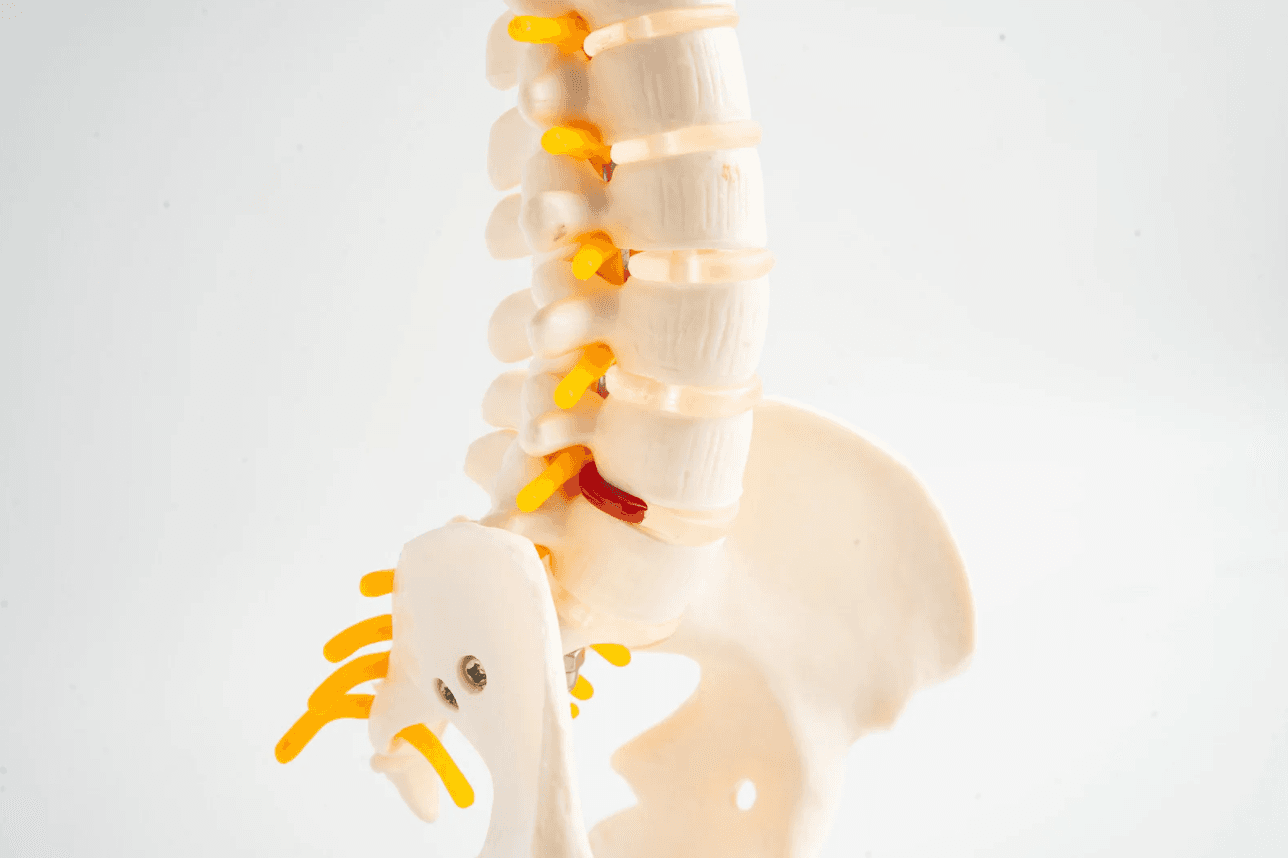
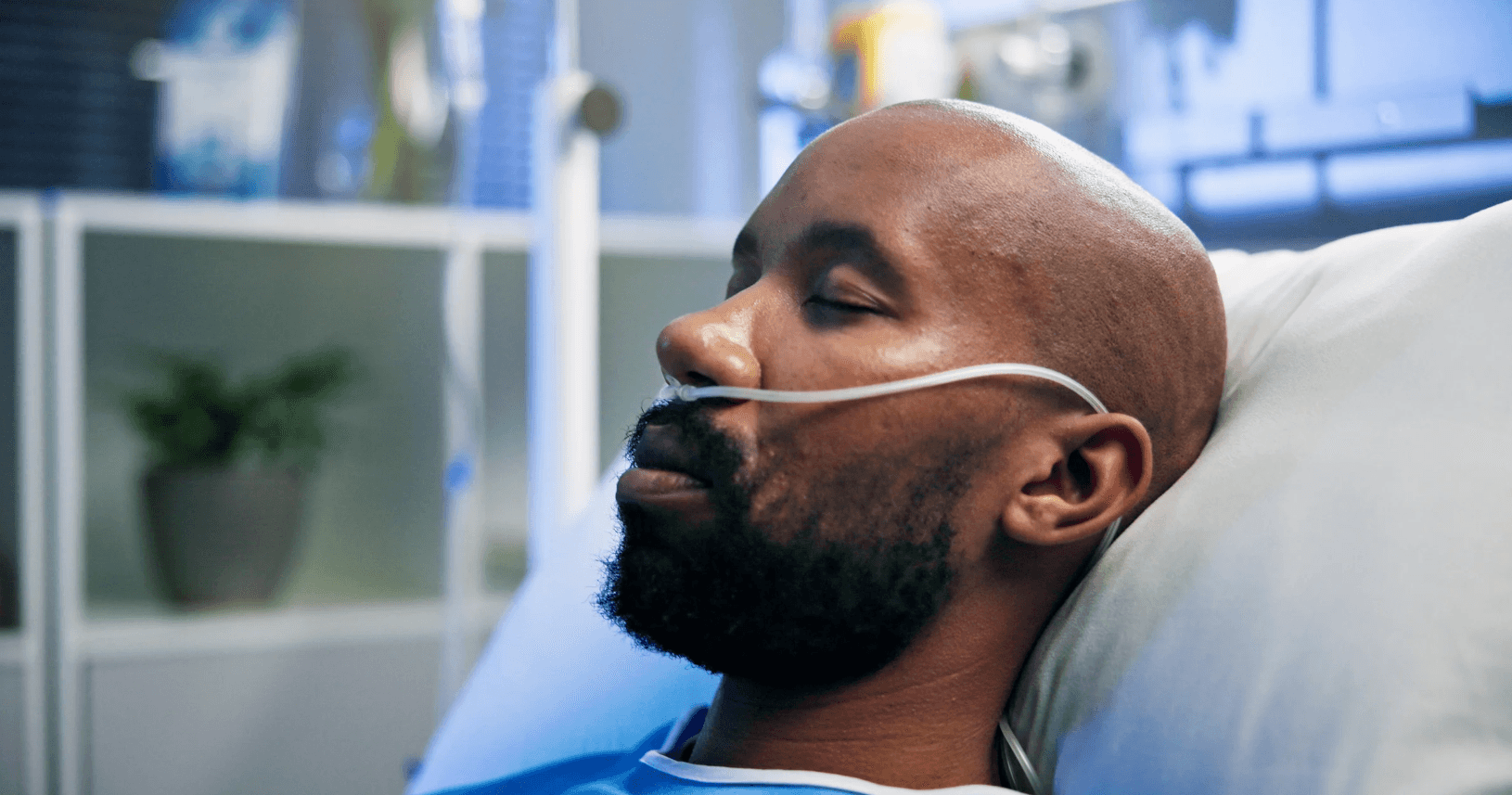
After surgery, patients are not at their baseline. Even a healthy person can be dizzy, weak, confused, or unsteady because of anesthesia, narcotics, and blood pressure changes. That is why post op falls are often foreseeable.
When a post-surgery fall happens, the first question is what the care plan required and what staff actually did.
Why fall risk spikes after surgery
Anesthesia effects
Anesthesia can cause dizziness, confusion, delayed reaction time, and impaired balance.
Pain medications and sedation
Opioids and other pain meds can cause drowsiness, low blood pressure, and poor coordination.
Orthostatic hypotension
Patients often get lightheaded when standing, especially after fasting, blood loss, or fluid shifts.
Lines and equipment hazards
IV poles, catheters, drains, and compression devices can create trip hazards and mobility issues.
What “assisted ambulation” should look like
Assisted ambulation means staff evaluates readiness, helps the patient stand safely, and stays close enough to prevent a collapse. It also includes using gait belts, walkers, and clear instructions.
Injured in an Accident?
Free consultation. Tell us what happened and learn what options may be available.
Common post op fall failures
Patient left alone after being told not to get up
Telling a patient not to get up is not enough when the risk is high.
No clear toileting plan
Urgency and embarrassment drive risky bathroom attempts. Post-op patients often need proactive toileting support.
Delayed response to call light
Slow response times often lead to patients trying to get up without help.
Inadequate handoffs between units
Falls occur during transfers from recovery to inpatient units when the fall risk information is not communicated.
What evidence matters in post op fall cases
Medication administration record
Timing of anesthesia, narcotics, sleep meds, and blood pressure meds is critical.
Physical therapy notes and mobility orders
PT often documents the exact assistance level required.
Vital signs and dizziness documentation
Low blood pressure and dizziness notes can show a predictable risk.
How The Wooley Law Firm helps
We build a timeline from surgery through the fall, identify the risk factors, and compare what the hospital documented with what safety steps were taken. If you suffered a serious fall after surgery in a Dallas hospital, contact The Wooley Law Firm. Free consultation. You do not pay unless we win. Call (214) 699-6524.
Frequently asked questions
Are post-surgical falls common
They occur frequently, especially when patients are medicated and trying to toilet or walk without assistance.
Does a patient share fault for getting up alone
Hospitals still have a duty to protect high-risk patients, especially when medications and weakness make the risk foreseeable.
What records should I request first
Medication administration record, nursing notes, mobility orders, and PT notes around the event.
This article is for general information only and is not legal advice. Every case is different.
Topics
Share This Article

Andrew J. Wooley
Personal Injury Attorney
Andrew J. Wooley is a dedicated personal injury attorney based in Dallas, Texas. He focuses on helping accident victims recover fair compensation for their injuries. With a commitment to personalized service, Andrew works directly with each client to understand their unique situation and fight for their rights.