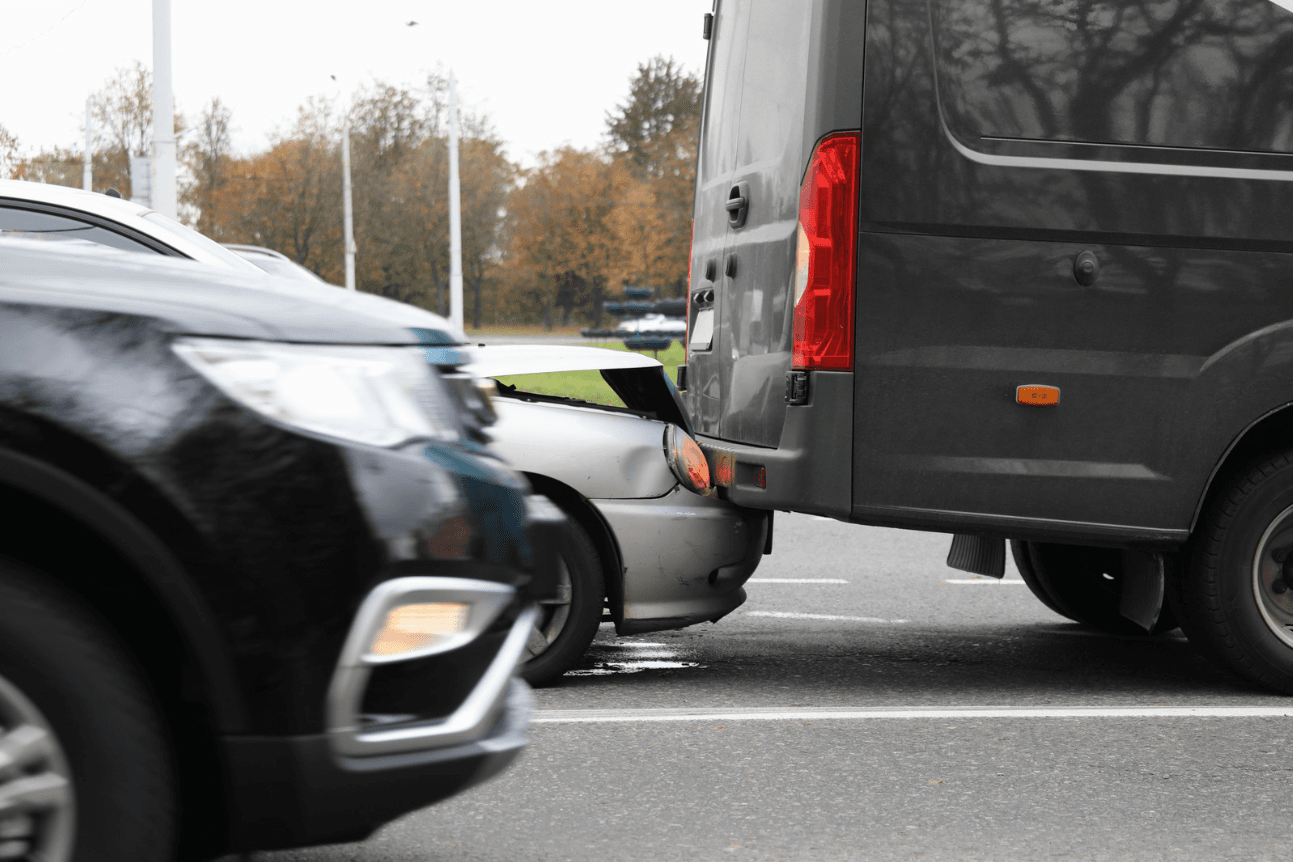
A rear end crash often leads to an immediate assumption that the driver in back caused it. Many times that is true. Texas law requires drivers to maintain a safe following distance based on speed and conditions. But rear end does not always equal automatic fault. The facts matter, especially in multi-vehicle pileups and “sudden stop” scenarios.
The Texas Rule on Following Distance
Texas Transportation Code section 545.062 requires a driver who is following another vehicle to maintain an “assured clear distance” so they can safely stop without colliding with the vehicle ahead (or veering into another vehicle, object, or person).
That rule is why the rear driver is often blamed in a typical rear-end crash. If you were too close for the speed and conditions, it becomes hard to justify the impact.
When the Front Driver May Share Fault
Rear-end cases become disputed when the vehicle in front does something unsafe or unexpected. Texas uses proportionate responsibility, so fault can be shared when the evidence supports it.
Sudden and unreasonable stop
If the front driver brakes aggressively for no good reason, insurers may argue the front driver created the danger. This comes up in “brake check” type allegations.
Brake lights not working
Texas requires vehicles to be equipped with stoplamps.
If brake lights were not functioning, the rear driver may argue they were not given a reasonable warning that the vehicle ahead was braking.
Unsafe lane change right in front of you
Texas law also requires that a driver stay within a single lane and not move from the lane unless the movement can be made safely.
If someone cuts in with little to no space and then brakes, fault can become disputed.
Road debris or emergency maneuver
If the front driver swerves or brakes due to a real emergency, that can change the analysis. The key question becomes what was reasonably necessary and what was avoidable.
Injured in an Accident?
Free consultation. Tell us what happened and learn what options may be available.
Common Defenses Insurers Raise in Rear-End Disputes
Insurance companies look for ways to shift fault or reduce the value of your claim. In disputed rear-end crashes, common defenses include:
“Sudden stop” by the front driver
Brake lights not working
Unsafe lane change into an unsafe gap
Road debris or unexpected hazard
Multi-vehicle chain reaction where the rear driver was pushed
Multi-Vehicle Rear-End Crashes and Chain Reactions
In a chain reaction crash, fault can be divided across multiple drivers. The key questions often become:
Who caused the first impact?
Did each following driver maintain a safe distance for the conditions?
Was a later impact unavoidable because a vehicle was pushed into another?
In many pileups, more than one driver may share responsibility, especially when multiple vehicles were following too closely, distracted, speeding for conditions, or unable to stop.
What Evidence Helps in Rear-End Fault Disputes
If liability is being disputed, the case often turns on objective proof, not assumptions.
Scene evidence
Photos showing vehicle positions, lane layout, and final resting places
Debris patterns and skid marks
Weather and lighting conditions
Vehicle and digital evidence
Dash cam footage (yours, other drivers, nearby businesses)
Phone distraction evidence (when relevant)
Event data from vehicles (speed/braking data, if available)
Witnesses and reports
Independent witness statements
The crash report details and diagram (and whether it matches the physical evidence)
How The Wooley Law Firm Helps
We push past assumptions and focus on evidence that shows what actually happened. If your rear-end crash in Dallas is being disputed, we can help identify the key liability issues, preserve time-sensitive evidence, and present the claim in a way the insurance company cannot ignore. Contact Us Today!
Call (214) 699-6524 for a free consultation. You don’t pay unless we win.
Frequently Asked Questions
Is the driver behind always at fault in Texas?
Often, but not always. Sudden lane changes, chain reaction impacts, brake light issues, and unusual events can change the analysis.
What Texas law applies to rear-end crashes?
The safe following distance rule is in Texas Transportation Code 545.062.
Unsafe lane-change issues often involve the “move only when safe” requirement in Texas Transportation Code 545.060.
What if I was pushed into the car in front of me?
That is common in pileups. Liability can depend on who caused the first impact and whether your impact was avoidable.
What if the other driver says their brake lights worked?
Brake light disputes are evidence-driven. Photos, repair records, witness accounts, and vehicle inspections can matter. Texas requires stoplamps.
This article is for general information only and is not legal advice. Every case is different.
Topics
Share This Article
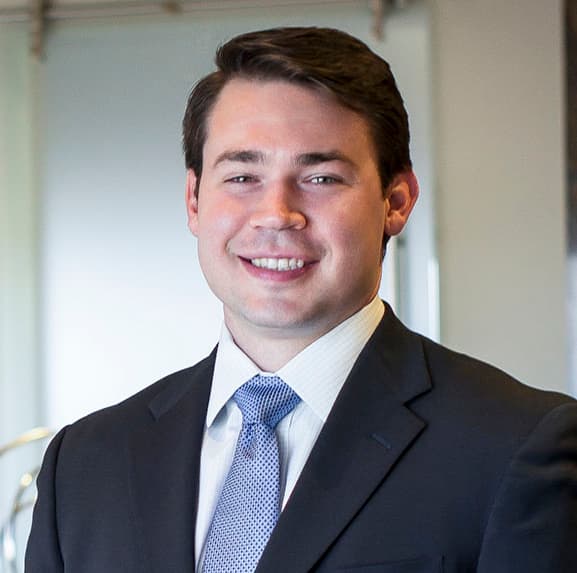
Andrew J. Wooley
Personal Injury Attorney
Andrew J. Wooley is a dedicated personal injury attorney based in Dallas, Texas. He focuses on helping accident victims recover fair compensation for their injuries. With a commitment to personalized service, Andrew works directly with each client to understand their unique situation and fight for their rights.
Related Local News
Recent related coverage