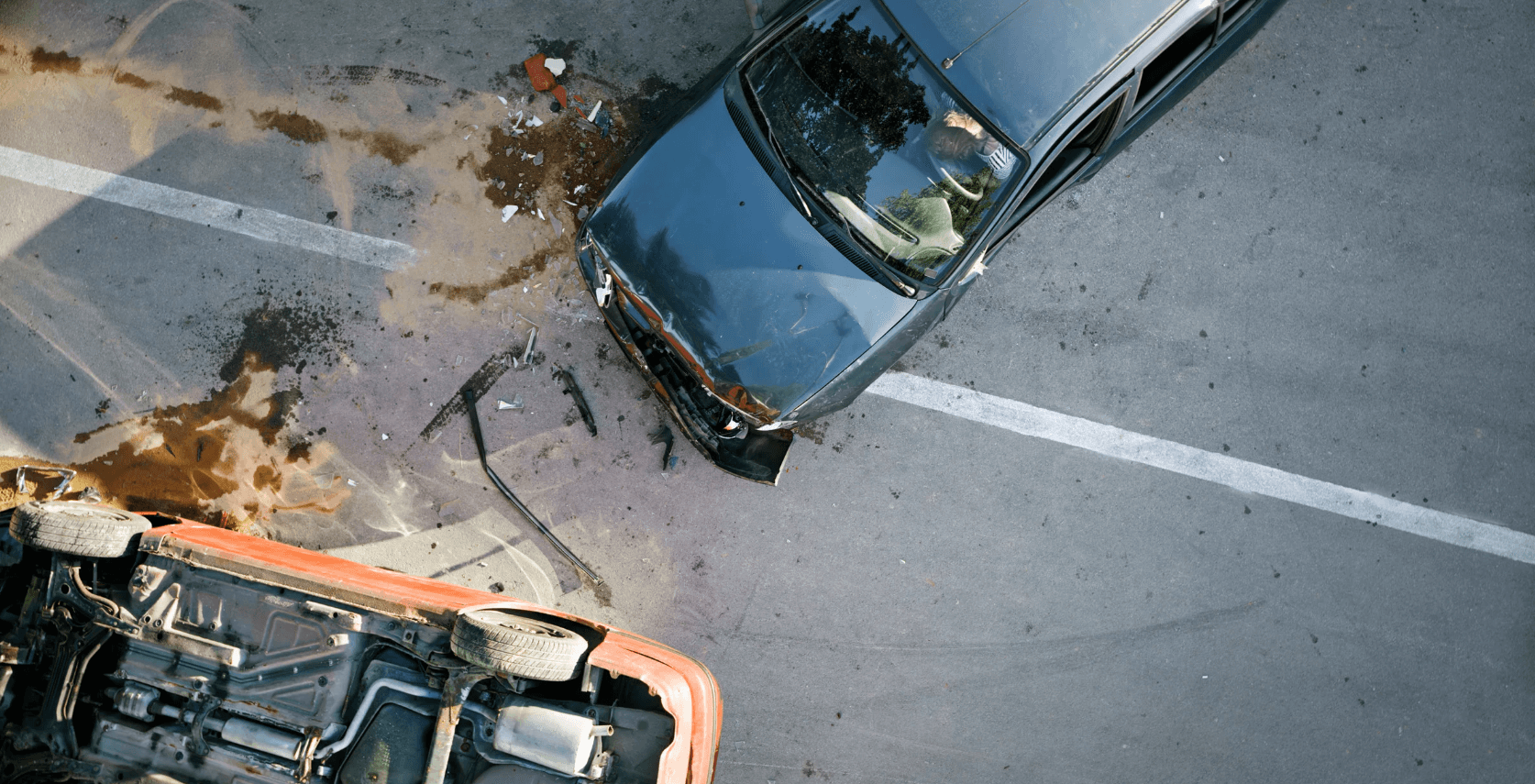
Left turn crashes are some of the most commonly disputed intersection wrecks in Dallas. At first glance, they may seem simple. One driver turned left. Another vehicle was coming straight through the intersection. A crash happened. But in real injury cases, the facts are often much messier.
Drivers may disagree about the traffic light, speed, visibility, whether a turn signal was used, and whether the oncoming vehicle was close enough to create an “immediate hazard.” Insurance companies may try to treat the case as obvious, but left turn crashes often require a closer look at the evidence. If you were hurt in a left turn crash in Dallas, the details matter.
Texas’s Left Turn Rule in Plain English
Texas law generally requires a driver turning left to yield the right of way to oncoming traffic that is already in the intersection or close enough to the intersection to be an immediate hazard. Texas Transportation Code § 545.152 uses that “immediate hazard” language.
In plain English, that means a driver cannot simply turn left because they believe they have enough room. They must wait until it is reasonably safe to cross the path of approaching traffic.
This rule applies when turning left at an intersection. It can also apply when turning left into an alley, private road, or driveway.
Why the Left Turn Driver Is Often Blamed
In many left turn crash claims, the turning driver starts at a disadvantage. That is because the driver making the left turn usually has the duty to wait for a safe gap before crossing oncoming traffic.
When a collision happens in the middle of the intersection, insurance adjusters often assume the turn was unsafe. They may argue that the left turn driver misjudged the distance, failed to yield, or tried to beat the light.
That assumption can be powerful, but it is not the end of the case.
A left turn crash still has to be investigated. The question is not simply, “Who was turning left?” The better question is, “What actually happened in the seconds before impact?”
Why Left Turn Cases Get Disputed Anyway
Even when the left turn driver had a duty to yield, the oncoming driver’s conduct can still matter.
Texas injury cases often involve arguments about comparative fault. In other words, more than one driver may share responsibility for a crash. A driver going straight through an intersection is not automatically free from fault just because the other vehicle was turning left.
For example, an oncoming driver may have been speeding, distracted, changing lanes, running a red light, or entering the intersection after it was no longer safe to do so. Those facts can change the fault analysis.
This is why left turn crashes are often heavily litigated. The visible fact that one vehicle turned left may not tell the whole story.
Common Dispute Points in Dallas Left Turn Crashes
The Oncoming Driver Was Speeding
Speed is one of the most important issues in a left turn crash.
A left turn driver may decide to turn based on the distance of the approaching vehicle. But if the oncoming driver is traveling much faster than the speed limit, that vehicle can reach the intersection sooner than a reasonable driver would expect.
Speeding can affect both fault and injury severity. Higher speeds often mean harder impacts, more serious vehicle damage, and more severe injuries.
Evidence that may help prove speed includes vehicle damage, skid marks, event data recorder information, surveillance video, dashcam footage, and witness statements.
The Oncoming Driver Ran a Red Light or Entered Late on Yellow
Traffic light timing is another major dispute.
In some cases, both drivers claim they had the right of way. The turning driver may say they had a green arrow or were clearing the intersection. The oncoming driver may say they had a green light. Witnesses may disagree, or there may be no witnesses at all.
Late-yellow and red-light entries are especially important. If the oncoming driver entered the intersection after the light changed or when it was unsafe to proceed, that may affect who is legally responsible.
This is where video and signal timing evidence can be critical.
Visibility Issues
Not every left turn happens under perfect conditions.
Dallas intersections can involve heavy traffic, poor lighting, rain, glare, construction zones, large vehicles blocking views, or confusing lane layouts. A turning driver may have had a limited view of oncoming traffic. An oncoming driver may have been difficult to see because of headlights, weather, or roadway design.
Visibility issues do not automatically excuse a bad turn. But they can help explain how the crash happened and whether either driver acted reasonably under the circumstances.
Injured in an Accident?
Free consultation. Tell us what happened and learn what options may be available.
A Sudden Lane Change by the Oncoming Driver
Some left turn crashes happen when an oncoming vehicle changes lanes shortly before impact.
For example, a left turn driver may be watching one lane of approaching traffic, only for another vehicle to move suddenly into the lane closest to the turn path. This can create a dispute about whether the turning driver had a fair opportunity to see and react.
Lane-change evidence may come from video, witness statements, vehicle positions, paint transfer, and the angle of impact.
Distracted Driving
Distracted driving can play a role on either side of the crash.
A turning driver may fail to properly judge oncoming traffic because they are looking at a phone, GPS, passenger, or something outside the vehicle. An oncoming driver may fail to slow, brake, or react because they are distracted.
Phone records are not needed in every case, but in serious injury crashes, distraction may become an important part of the investigation.
Conflicting Witness Accounts
Witnesses can help, but they can also complicate a case.
One person may remember the light as green. Another may remember it as yellow. A third may only have seen the crash after hearing the impact. Witnesses may be positioned at different angles, and their view may have been blocked.
That is why strong cases are usually built on more than memory. Independent evidence often matters more than competing stories.
What Evidence Usually Matters Most
The best left turn cases are built on objective proof. Insurance companies may rely on assumptions, but assumptions can be challenged with evidence.
Important evidence may include:
Traffic camera footage
Nearby business surveillance footage
Dashcam video
Police crash reports
Witness statements
911 call records
Photos of the vehicles and intersection
Vehicle damage patterns
Point-of-impact evidence
Skid marks, debris fields, and final resting positions
Traffic signal timing data
Event data recorder information
Medical records documenting injuries
The sooner this evidence is identified and preserved, the better. Video footage can be overwritten quickly. Vehicles may be repaired or destroyed. Witnesses may become harder to find.
Video and Timing Evidence
Video is often one of the most valuable types of evidence in a left turn crash.
Traffic cameras, nearby business cameras, apartment complex cameras, gas station cameras, and dashcams may show who entered the intersection first, what the light looked like, whether either vehicle slowed, and how fast the vehicles appeared to be traveling.
Even when the video does not capture the full crash, it may still help. For example, footage may show the oncoming vehicle seconds before impact or show the traffic light cycle. In some cases, signal timing records can help determine whether a driver likely entered on green, yellow, or red.
Because video can disappear quickly, it is important to act fast after a serious crash.
Vehicle Damage and Point of Impact
The location and severity of vehicle damage can also tell an important story.
For example, damage to the front corner of the turning vehicle may suggest it was still crossing the oncoming lane at impact. Damage farther along the side of the turning vehicle may suggest the turn was already well underway when the crash happened.
Point of impact can also matter. If the collision happened deep into the intersection or near the end of the turn, that may support a different fault argument than a crash occurring just as the turn began.
Vehicle damage does not answer every question, but it can help confirm or challenge what the drivers say happened.
Why Insurance Companies Fight These Cases
Insurance companies often want a simple story. In a left turn crash, the simple story is usually that the turning driver failed to yield.
But insurers may use that assumption unfairly. They may ignore speed, distraction, late entry into the intersection, or other conduct by the oncoming driver. They may also try to minimize injuries by arguing the crash was minor or that the injured person should have avoided the collision.
That is why it is important to build the case around facts, not assumptions.
What to Do After a Left Turn Crash in Dallas
After a left turn crash, your first priority should be safety and medical care. If you are able, it can also help to preserve evidence early.
Helpful steps include:
Call 911 and report the crash.
Get medical attention as soon as possible.
Take photos of the vehicles, intersection, traffic lights, lanes, debris, and visible injuries.
Get names and contact information for witnesses.
Look for nearby cameras on businesses, homes, apartments, gas stations, and other vehicles.
Avoid guessing or admitting fault at the scene.
Notify your insurance company, but be careful with recorded statements.
Speak with a lawyer before accepting a settlement.
Many left turn cases are won or lost based on evidence that exists only briefly after the crash.
How The Wooley Law Firm Helps
The Wooley Law Firm investigates left turn crashes by focusing on the facts that matter most. We look for video sources, preserve evidence quickly, analyze the crash scene, review police reports, speak with witnesses, and build the fault narrative around objective proof. We understand that left turn crashes are not always as simple as insurance companies make them sound. Whether the dispute involves speed, signal timing, visibility, lane changes, or conflicting witness accounts, we work to identify the evidence that tells the full story.
If you were hurt in a left turn crash in Dallas, Contact us for a free consultation. You don’t pay unless we win. Call (214) 699-6524.
Frequently Asked Questions
Is the left turn driver always at fault in Texas?
No. The left turn driver is often blamed because Texas law generally requires left-turning drivers to yield to oncoming traffic that is in the intersection or close enough to be an immediate hazard. But the turning driver is not always the only driver at fault.
Speeding, red-light violations, late-yellow entries, distraction, sudden lane changes, and visibility issues can all affect fault.
What does “immediate hazard” mean?
“Immediate hazard” generally means the oncoming vehicle was close enough that a reasonable driver should not have turned across its path. The exact meaning depends on the facts, including the distance of the oncoming vehicle, its speed, the traffic signal, road conditions, and what a reasonable driver could see at the time.
Can the oncoming driver be partly at fault?
Yes. The oncoming driver may share fault if they were speeding, distracted, ran a red light, changed lanes suddenly, or otherwise contributed to the crash.
What if both drivers say they had the green light?
That is common in intersection crash cases. When drivers disagree about the light, evidence such as surveillance video, dashcam footage, witness statements, police reports, and signal timing data can become very important.
What if there is no video of the crash?
A case can still be proven without video. Vehicle damage, point of impact, witness statements, debris patterns, crash scene photos, and medical records may still help establish what happened.
How quickly should I contact a lawyer after a left turn crash?
As soon as possible, especially if you were injured. Video footage may be overwritten, witnesses may become harder to locate, and vehicles may be repaired or destroyed. Early investigation can make a major difference.
Injured in a Dallas Left Turn Crash?
Left turn crashes can cause serious injuries, including neck injuries, back injuries, broken bones, head injuries, shoulder injuries, knee injuries, and other long-term problems. If another driver’s negligence caused your crash, you may be entitled to compensation for medical bills, lost income, pain and suffering, and other damages.
Call The Wooley Law Firm at (214) 699-6524 for a free consultation. You don’t pay unless we win.
This article is for general information only and is not legal advice. Every case is different.
Topics
Share This Article

Andrew J. Wooley
Personal Injury Attorney
Andrew J. Wooley is a dedicated personal injury attorney based in Dallas, Texas. He focuses on helping accident victims recover fair compensation for their injuries. With a commitment to personalized service, Andrew works directly with each client to understand their unique situation and fight for their rights.
Related Local News
Recent related coverage