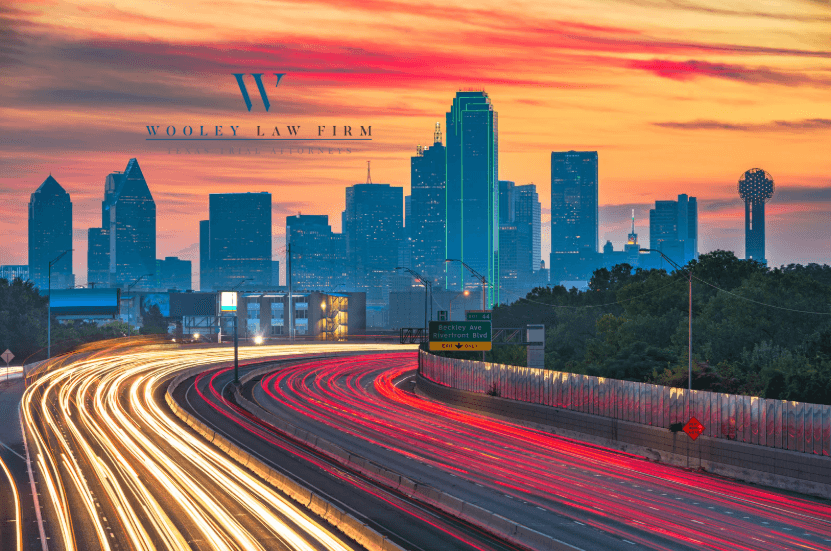
If you spend enough time driving around Dallas–Fort Worth, you can probably think of a few roads where every merge, turn, or lane change feels like a close call. But identifying the area’s “most dangerous” roads should come down to more than personal experience or commuter frustration. A better measure is where fatal and serious-injury crashes happen most often. Regional planners and Vision Zero programs often refer to these corridors as a High Injury Network: a relatively small group of roads where a disproportionate number of severe crashes occur.
Quick list: the DFW corridors that show up in severe-crash data
Regional top 10 high-injury corridors (NCTCOG)
The North Central Texas Council of Governments (NCTCOG) ranked the region’s top high-injury corridors (fatal and serious-injury weighted) in its Roadway Safety Plan.
The top-ranked corridors include
Forest Ln (Dallas): N Central Expy (US-75) to Yale Dr
I-635 Segment 1 (Dallas): Blossomheath Ln to TI Blvd
I-635 Segment 10 (Dallas): Welch Rd to Preston Rd
W Berry St (Fort Worth): McCart Ave to Stalcup Rd
I-635 Segment 8 (Dallas): TI Blvd to Abrams Rd
I-635 Segment 5 (Dallas/Garland): Plano Rd to Jupiter Rd
Camp Wisdom Rd (Dallas): Cockrell Hill Rd to University Hills Blvd
Harry Hines Blvd Segment 3 (Dallas): Royal Ln to Raceway Dr
I-635 Segment 2 (Garland/Mesquite area): Centerville Rd to La Prada Pkwy
SH 121 Segment 1 (Bedford area): Forest Ridge Dr to Bedford Rd
Dallas: where severe crashes concentrate
The High Injury Network is a small share of roads with most severe crashes
Dallas’ Vision Zero data explains the concept plainly: the High Injury Network identifies streets that account for a disproportionate number of fatal and severe crashes, cited as 7% of roads where 62% of death or severe-injury crashes occur.
Loop 12: a corridor under intense safety scrutiny
Loop 12 has been the subject of major investigations and safety changes in Dallas. NBC 5 reported TxDOT data showed a 52% decrease in traffic deaths on Loop 12 in 2025 compared to 2024.
Southern Loop 12 is a key problem area
NBC 5 also reported TxDOT data showing 17 fatal crashes on the southern portions of Loop 12 in 2024, and 9 fatal crashes in 2025 (with time remaining in the year at the time of reporting).
Injured in an Accident?
Free consultation. Tell us what happened and learn what options may be available.
Fort Worth: corridors the city flags as high injury
Fort Worth Vehicle High Injury Network top locations
Fort Worth publishes a “Vehicle High Injury Network, Top 10 Locations” list. Corridors include Miller Ave, S Riverside Dr, N 28th St, University Dr, McCart Ave (two segments), Main St, Henderson St, Altamesa Blvd, and SW Loop 820 (EBFR).
Pedestrian high-injury corridors matter, too
The same Fort Worth list identifies top pedestrian corridors like E Lancaster Ave, Hemphill St, E Berry St, and others, which is important because serious crashes are not limited to freeway driving.
McCart Ave keeps showing up
NBC 5 Investigates reported that McCart Avenue may now be the most deadly street in Fort Worth, citing analysis of crashes and fatalities (2019 to 2024) and noting it was already ranked highly in the city’s high-injury list years earlier.
Commercial vehicle traffic raises the stakes
Fort Worth’s Vision Zero Safety Action Plan analyzes crash patterns and contributing factors, including commercial vehicle and large truck crash issues as part of the city’s safety work.
Why these roads produce the worst injuries
Speed differences turn small mistakes into life-changing crashes
On corridors like I-635, US-75, Loop 12, and Loop 820, drivers deal with lane changes, short merges, and sudden slowdowns. The higher the speed, the less time you have to react, and the more severe the injuries tend to be.
Intersections and crossings drive severe crashes on arterials
Many of the corridors flagged in the high-injury lists are major surface streets, not just freeways. That usually means more turning conflicts, more pedestrians, and more opportunities for a moment of inattention to become catastrophic.
Big vehicles multiply the harm
When a commercial vehicle is involved, the physics are different. Early evidence preservation becomes critical.
What to do after a serious crash on a high-injury corridor
Put medical care first
Get checked out, follow medical advice, and do not downplay symptoms. Your health comes first, and documentation matters.
Preserve evidence early
Photos and video
If it is safe, capture the scene, lane layout, signage, skid marks, debris, and sightlines.
Witnesses
Get names and phone numbers. Neutral witnesses can matter when stories change.
Be careful with recorded statements
Insurance calls often come fast. If you are shaken up, medicated, or unsure how hurt you are, do not let a rushed statement box you in.
How The Wooley Law Firm Helps after a Dallas Fort Worth Car Accident
Severe roadway cases are rarely just “two cars collided.” They often involve speed data, roadway design, lighting, commercial vehicle records, camera footage, and a fast-moving insurance defense. At The Wooley Law Firm, we help clients by preserving evidence early, building the medical proof, and pushing back when insurers try to minimize serious injuries. Contact Us Now!
For a free consultation, call (214) 699-6524. You do not pay unless we win.
Frequently asked questions
Is there an official “most dangerous road” list for DFW?
Different agencies measure “danger” differently, but NCTCOG’s Roadway Safety Plan and city High Injury Network lists are among the most defensible data sources because they focus on fatal and serious injuries.
Why does I-635 show up so often?
Because multiple I-635 segments appear in the region’s top-ranked high-injury corridors list.
Are surface streets as dangerous as highways?
They can be, especially where high speeds combine with frequent crossings and turning conflicts. That is why corridors like Forest Ln, Camp Wisdom Rd, Harry Hines Blvd, W Berry St, and E Lancaster Ave appear in high-injury lists.
Topics
Share This Article
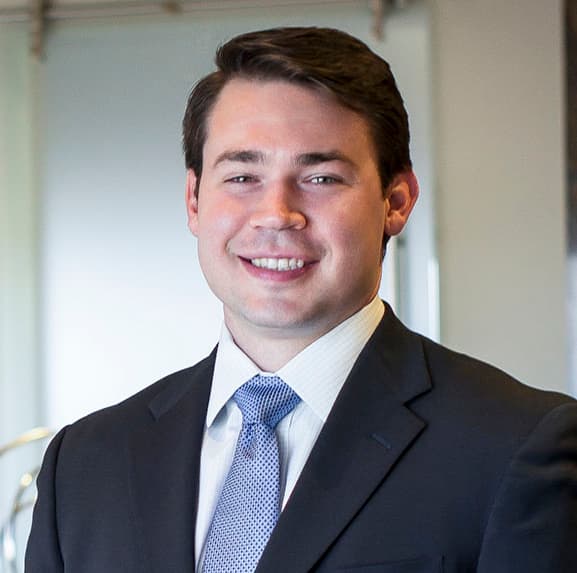
Andrew J. Wooley
Personal Injury Attorney
Andrew J. Wooley is a dedicated personal injury attorney based in Dallas, Texas. He focuses on helping accident victims recover fair compensation for their injuries. With a commitment to personalized service, Andrew works directly with each client to understand their unique situation and fight for their rights.
Related Local News
Recent related coverage