Distracted driving is one of the most dangerous problems on Texas roads. For drivers in Dallas, Fort Worth, and throughout North Texas, a few seconds of inattention can cause a serious crash on I-35E, I-30, I-635, US-75, Loop 12, the Dallas North Tollway, or any busy city street.
According to the Texas Department of Transportation, distracted driving was responsible for 86,384 crashes on Texas roads in 2025. Those crashes caused 2,437 serious injuries and 299 deaths. TxDOT also reports that distracted driving was the second-most common factor in Texas traffic crashes in 2025.
For injured victims, distracted driving is not just a traffic safety issue. It can be the difference between a normal day and a life-changing wreck involving emergency room treatment, surgery, lost wages, pain, impairment, and long-term medical care.
If you were injured by a distracted driver in Dallas or anywhere in the DFW Metroplex, an experienced Dallas car wreck lawyer can help investigate what happened, preserve evidence, deal with the insurance company, and pursue compensation for your injuries.
What Is Distracted Driving?
Distracted driving happens when a driver’s attention is taken away from the road. Many people think distracted driving only means texting while driving, but it includes much more.
TxDOT warns that any distraction can be dangerous, including texting, eating, grooming, adjusting navigation, changing music, or having a conversation while driving.
The three main types of distracted driving are:
1. Visual Distraction
A visual distraction occurs when a driver takes their eyes off the road. Examples include looking at a phone, reading a text, checking GPS directions, looking at a passenger, or staring at something outside the vehicle.
2. Manual Distraction
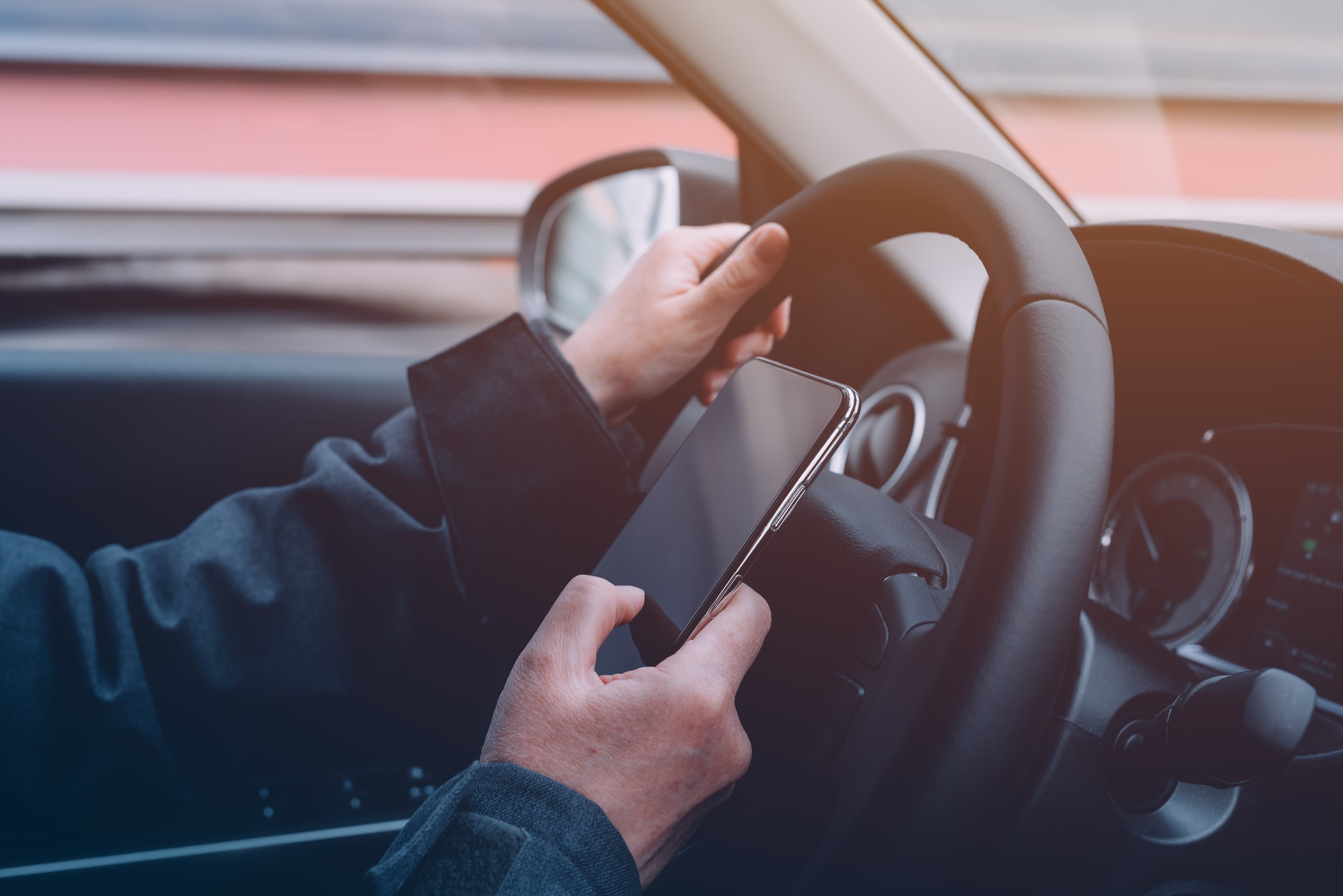
A manual distraction occurs when a driver takes one or both hands off the steering wheel. Examples include typing a text, reaching for food, adjusting controls, grabbing something from the floorboard, or holding a phone.
3. Cognitive Distraction
A cognitive distraction occurs when a driver’s mind is not focused on driving. This can happen during a phone call, an argument with a passenger, daydreaming, or focusing on work, stress, or personal problems instead of traffic.
The most dangerous distractions often involve all three at once. Texting while driving, for example, can take a driver’s eyes off the road, hands off the wheel, and mind off the task of driving.
Is Texting While Driving Illegal in Texas?
Yes. Since September 1, 2017, Texas law has prohibited drivers from reading, writing, or sending electronic messages while driving. Violators can face a fine of up to $200.
Texas Transportation Code Section 545.4251 addresses the use of portable wireless communication devices for electronic messaging while operating a motor vehicle. Texas law also places restrictions on wireless device use in certain school crossing zones and on school property when reduced speed limits are in effect.
Even when a driver is not cited for texting, distracted driving can still be important evidence in a personal injury claim. A driver may have been looking at a phone, using an app, adjusting navigation, recording video, eating, reaching for something, or otherwise failing to pay attention.
How Distracted Drivers Cause Car Accidents in Dallas
Distracted drivers create serious hazards because they do not see danger in time to react. In heavy Dallas traffic, that delay can be devastating.
Common distracted driving accidents include:
Rear-End Collisions
Distracted drivers often fail to notice stopped or slowing traffic. This can lead to rear-end crashes at red lights, stop-and-go traffic, freeway backups, and construction zones.
Unsafe Lane Changes
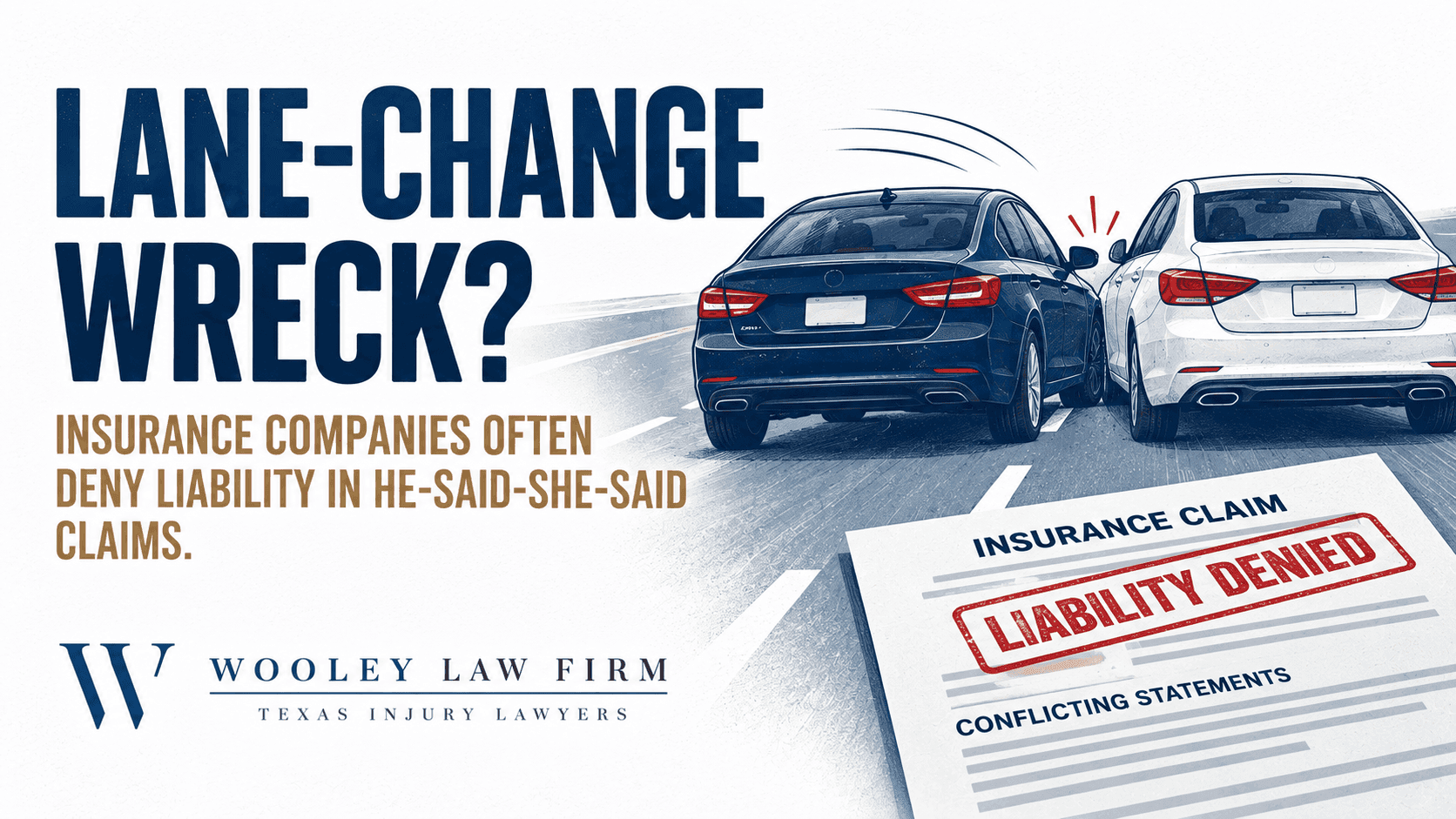
A driver looking down at a phone may drift into another lane or change lanes without checking mirrors or blind spots. These crashes are common on Dallas highways where traffic moves quickly and lanes are congested.
Intersection Crashes
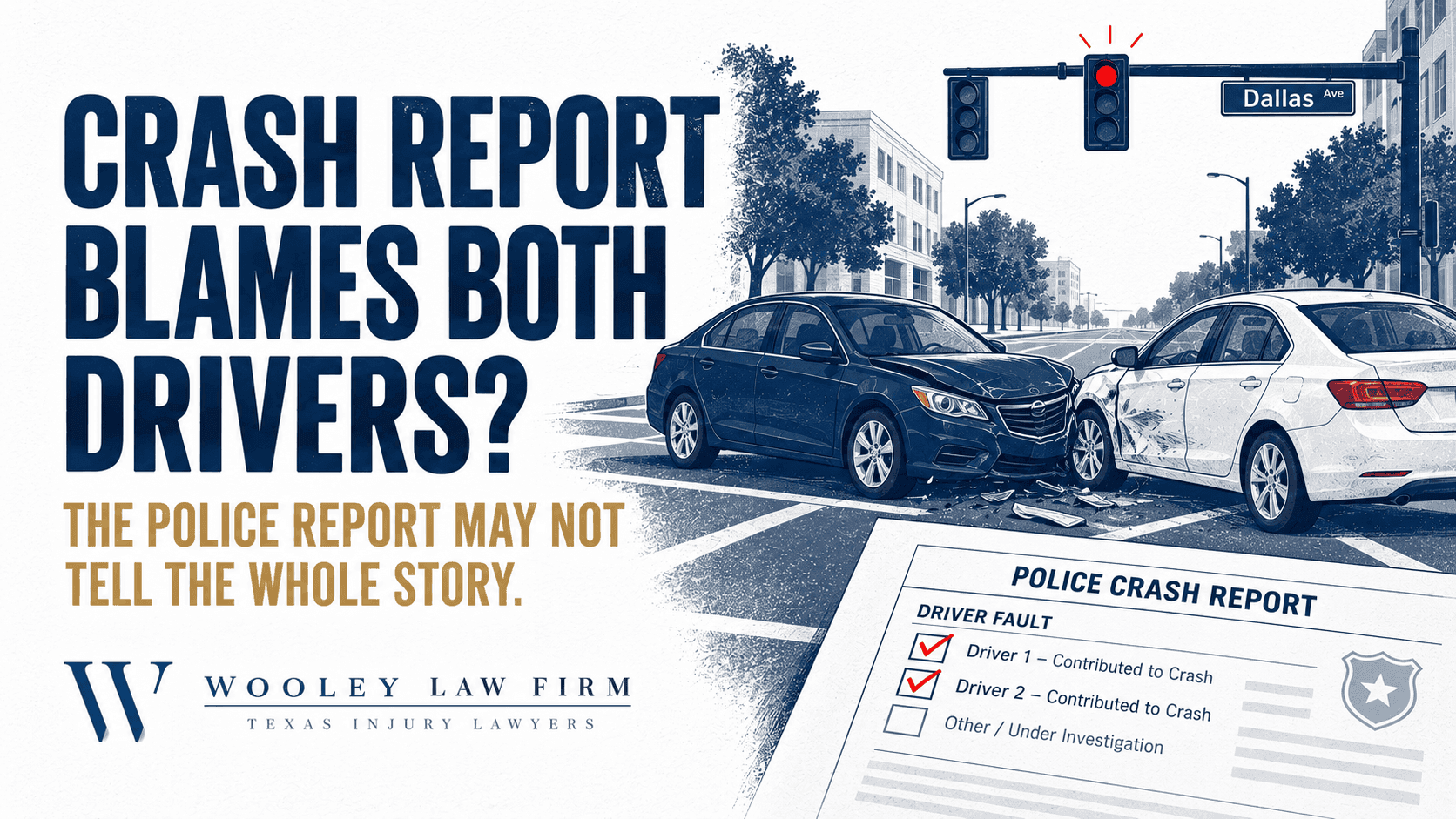
Distracted drivers may run red lights, roll through stop signs, fail to yield, or turn without seeing oncoming traffic. Intersection crashes can cause serious injuries because vehicles often collide at angles or broadside impacts.
Highway Crashes
On highways like I-35E, I-30, I-635, US-75, and the Dallas North Tollway, distracted driving is especially dangerous because vehicles are moving at higher speeds. A driver who looks away for even a few seconds can travel a long distance without watching the road.
Pedestrian and Bicycle Accidents
Distracted drivers may fail to see people in crosswalks, cyclists in bike lanes, or pedestrians near parking lots, schools, and intersections. These crashes often cause severe or fatal injuries because pedestrians and cyclists have little protection.
Commercial Vehicle and Rideshare Crashes
Distracted driving can also involve delivery drivers, rideshare drivers, company vehicle drivers, and commercial drivers. A driver who is checking an app, accepting a ride, looking at delivery instructions, or using GPS may not be fully focused on the road.
Injured in an Accident?
Free consultation. Tell us what happened and learn what options may be available.
Warning Signs of a Distracted Driver
You cannot always know when another driver is distracted, but there are warning signs. Watch for vehicles that:
Drift between lanes
Brake suddenly for no clear reason
Drive too slowly or inconsistently
Fail to move when a light turns green
Follow too closely
Swerve back into the lane after drifting
Miss stop signs or traffic signals
Make last-second turns
Look down repeatedly
Hold a phone near the steering wheel
If you notice these signs, give the vehicle more space when possible. Do not assume the driver sees you.
How to Protect Yourself From Distracted Drivers
You cannot control what other drivers do, but you can take steps to reduce your risk.
Keep a Safe Following Distance
Leave enough space between your vehicle and the car in front of you. This gives you more time to react if a distracted driver suddenly brakes, swerves, or causes a crash.
Avoid Driving in Blind Spots
Try not to remain beside another vehicle for long periods, especially large trucks, delivery vehicles, and vehicles that appear to be drifting. If a distracted driver changes lanes, they may never see you.
Be Careful at Intersections
Before entering an intersection, look both ways even if you have a green light. Distracted drivers may run red lights or fail to yield.
Watch for Sudden Lane Changes
On Dallas highways, distracted drivers may realize too late that they need to exit or change lanes. Be cautious around vehicles making abrupt movements.
Do Not Engage With Distracted or Aggressive Drivers
If another driver is acting dangerously, do not honk repeatedly, tailgate, or attempt to confront them. Create distance and focus on getting yourself and your passengers to safety.
Put Your Own Phone Away
The safest choice is to put your phone away, use “do not disturb” settings, or pull over somewhere safe before reading or sending messages. TxDOT encourages drivers to put phones away, block texts and calls, or use auto-reply settings while driving.
What to Do After a Dallas Distracted Driving Accident
If you believe a distracted driver caused your crash, what you do next can make a major difference in your injury claim.
1. Call 911
Always report the crash. A police report can document the collision, the drivers involved, contributing factors, witness information, and whether any citations were issued.
2. Get Medical Treatment
Do not ignore pain after a crash. Neck injuries, back injuries, head injuries, concussions, shoulder injuries, knee injuries, and radiating pain can worsen over time. Prompt treatment also helps document that your injuries were caused by the collision.
3. Take Photos and Videos
If you can safely do so, take pictures of vehicle damage, the crash scene, skid marks, traffic signals, road conditions, visible injuries, and the other driver’s vehicle.
4. Look for Witnesses
Witnesses may have seen the other driver looking down, holding a phone, drifting, or failing to brake. Get names and contact information before witnesses leave.
5. Do Not Give a Recorded Statement Without Legal Advice
Insurance adjusters may ask questions designed to minimize your claim. Before giving a recorded statement, signing paperwork, or accepting a settlement, talk to a Dallas car accident lawyer.
6. Contact an Attorney Quickly
Distracted driving evidence can disappear. Phone records, dash camera footage, surveillance video, vehicle data, app usage, and witness memories may become harder to obtain as time passes.
How a Dallas Car Wreck Lawyer Can Prove Distracted Driving
Distracted driving cases often require a detailed investigation. The at-fault driver may deny they were distracted, and the insurance company may try to blame you or downplay the crash.
A Dallas car wreck lawyer can investigate evidence such as:
Police crash reports
Witness statements
Cell phone records
Texting and call logs
App usage records
Vehicle data
Dash camera video
Nearby business surveillance footage
Traffic camera footage, when available
Photos from the scene
Statements made by the other driver
Medical records showing the force and timing of injury
Accident reconstruction evidence
In some cases, the key issue is not just whether the driver was texting. The question may be whether the driver failed to keep a proper lookout, failed to control speed, failed to brake, made an unsafe lane change, ran a red light, or otherwise drove negligently because their attention was somewhere else.
Common Injuries Caused by Distracted Driving Crashes
Distracted driving crashes can cause serious and permanent injuries, including:
Neck injuries
Back injuries
Herniated discs
Concussions and traumatic brain injuries
Shoulder injuries
Knee injuries
Broken bones
Facial injuries
Nerve pain
Radiating pain, tingling, and numbness
Internal injuries
Scarring and disfigurement
Psychological trauma
Wrongful death
Even a crash that seems “minor” at first can lead to lasting pain, medical bills, and time away from work.
Compensation After a Distracted Driving Accident in Dallas
If a distracted driver injured you, you may be able to pursue compensation for:
Emergency room bills
Ambulance bills
Doctor visits
Imaging, including X-rays, CT scans, and MRIs
Physical therapy
Pain management
Surgery
Future medical care
Lost wages
Loss of earning capacity
Pain and suffering
Mental anguish
Physical impairment
Disfigurement
Property damage
Out-of-pocket expenses
Every case is different. The value of a distracted driving claim depends on the facts of the crash, the severity of the injuries, the available insurance coverage, and the evidence proving fault and damages.
Why Distracted Driving Cases Are Often Disputed
Insurance companies do not simply accept responsibility because you believe the other driver was distracted. They may argue that:
The crash was unavoidable
You stopped suddenly
You were speeding
Your injuries are unrelated
The property damage was minor
The driver was not texting
There is no proof of distraction
Your medical treatment was unnecessary
You waited too long to seek treatment
That is why evidence matters. A strong distracted driving claim should focus on proving both liability and damages.
Talk to a Dallas Distracted Driving Accident Lawyer
Distracted driving is preventable, but it continues to cause serious injuries and deaths across Texas every year. In Dallas, where drivers regularly deal with congested highways, heavy traffic, construction zones, and fast-moving commercial vehicles, one distracted driver can cause life-changing harm.
The Wooley Law Firm represents people injured in car wrecks throughout Dallas, Fort Worth, and the surrounding DFW Metroplex. If a distracted driver caused your crash, our firm can investigate what happened, protect you from the insurance company, and pursue compensation for your medical expenses, lost wages, pain and suffering, mental anguish, impairment, and other damages.
You do not pay unless we win.
Call The Wooley Law Firm today for a free consultation with a Dallas car wreck lawyer.
Frequently Asked Questions About Distracted Driving Accidents in Dallas
What should I do if I think the other driver was texting?
Call 911, report what you observed to the investigating officer, look for witnesses, take photos, and contact a lawyer as soon as possible. Your attorney may be able to investigate phone records, witness statements, video footage, and other evidence.
Can I still have a case if the other driver was not ticketed?
Yes. A traffic citation can help, but it is not required to bring a personal injury claim. A driver can still be negligent even if the officer did not issue a ticket.
Is texting while driving illegal in Texas?
Yes. Texas law prohibits drivers from reading, writing, or sending electronic messages while driving. Violators can face a fine of up to $200.
What if the insurance company says there is no proof of distraction?
That does not end the case. Distracted driving can be proven through circumstantial evidence, witness testimony, phone records, crash patterns, vehicle data, and the driver’s own statements.
How long do I have to file a distracted driving injury claim in Texas?
In many Texas personal injury cases, the statute of limitations is two years from the date of the crash. However, deadlines can vary depending on the facts, the parties involved, and whether a government entity is part of the case. You should speak with an attorney as soon as possible.
Should I give a recorded statement to the insurance company?
You should not give a recorded statement without first speaking to an attorney. Insurance companies may use your words against you to reduce or deny your claim
Topics
Share This Article

Andrew J. Wooley
Personal Injury Attorney
Andrew J. Wooley is a dedicated personal injury attorney based in Dallas, Texas. He focuses on helping accident victims recover fair compensation for their injuries. With a commitment to personalized service, Andrew works directly with each client to understand their unique situation and fight for their rights.
Related Local News
Recent related coverage