Crashes involving a DART bus, a Dallas Police Department vehicle, or another City of Dallas vehicle can look like any other wreck at first. There may be injuries, vehicle damage, insurance questions, medical bills, missed work, and confusion about what to do next. But when a government vehicle is involved, the case is different.
The biggest difference is procedural. Claims against government entities often have strict notice rules. If the proper notice is not given on time, a person may lose the right to bring a claim before the case ever gets started.
DART is treated as a governmental unit
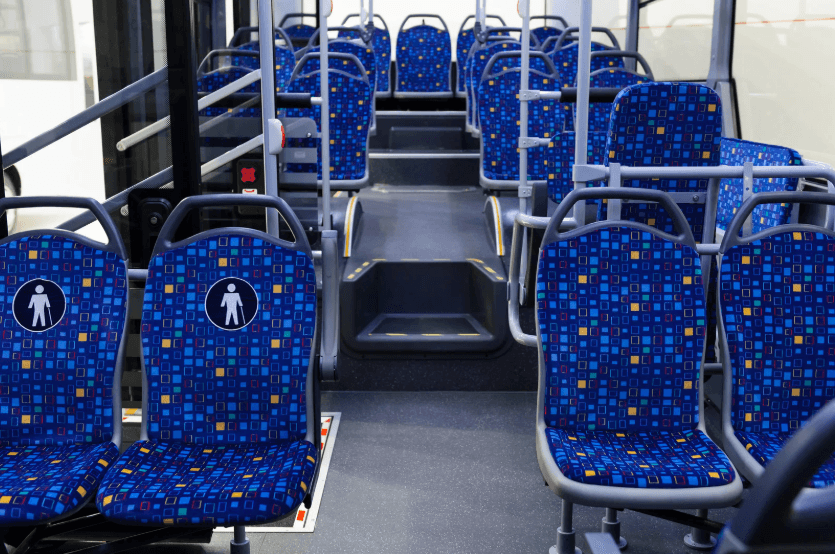
DART is not the same as a private bus company. Under Texas law, a regional transportation authority is treated as a governmental unit for purposes of the Texas Tort Claims Act. DART is a regional transportation authority created under Chapter 452 of the Texas Transportation Code.
That matters because injury claims involving DART buses, DART vehicles, or DART employees may be subject to government-claim rules, including notice requirements.
Dallas police vehicles are City of Dallas vehicles
A crash involving a Dallas Police Department vehicle may also involve governmental notice rules. Dallas police vehicles are City of Dallas vehicles, and Dallas police officers are city employees when acting within the scope of their work. That means a wreck involving a DPD patrol car, police SUV, or other Dallas police vehicle should be treated differently from an ordinary crash involving a private driver.
These cases can also involve additional issues, such as whether the officer was responding to an emergency call, whether lights or sirens were activated, whether the officer was acting within the scope of employment, and whether immunity defenses may apply.
The Texas Tort Claims Act notice rule
The Texas Tort Claims Act generally requires a person to give notice of a claim to a governmental unit no later than six months after the incident. The notice must reasonably describe:
The injury or damage claimed
The time and place of the incident
The incident itself
This notice rule is found in Texas Civil Practice and Remedies Code Section 101.101. The statute also recognizes that city charter and ordinance notice provisions may apply.
City specific rules can apply
For the City of Dallas, the city’s notice provision requires a written claim within six months after the injury or damage occurred for claims involving negligent acts or omissions of city officers, servants, or employees. The City of Dallas also provides a Notice of Claim form for personal injury and property damage claims, which states that the claim should be filed within six months of the injury or property damage. That is why wrecks involving Dallas police vehicles, sanitation trucks, fire department vehicles, city maintenance trucks, and other city-owned vehicles should be evaluated quickly.
Injured in an Accident?
Free consultation. Tell us what happened and learn what options may be available.
Why these deadlines are a trap
After a serious crash, most people focus on medical treatment, car repairs, rental vehicles, missed work, and dealing with insurance. That is understandable.
But government-vehicle cases have procedural traps that many people do not know about. Government adjusters are not required to remind an injured person about notice deadlines. Waiting too long can create a serious problem, even when the underlying crash was not the injured person’s fault.
In some cases, missing a notice deadline can bar the claim.
What should be included in a notice
Texas law requires a notice that reasonably describes:
The injury or damage claimed
The time and place of the incident
The incident itself
Why acting early helps even more in government vehicle cases
Evidence can disappear quickly after any crash. In government vehicle cases, early investigation can be especially important. Video may be overwritten. Witnesses may become harder to locate. Vehicles may be repaired. Dispatch records, dash camera footage, body camera footage, bus camera footage, GPS data, maintenance records, and internal reports may need to be identified and requested.
For example, a DART bus crash may involve onboard video, driver logs, route information, and maintenance records. A Dallas police vehicle crash may involve dash camera footage, body camera footage, dispatch records, pursuit policies, emergency-response procedures, and officer reports.
The earlier a lawyer investigates, the better the chance of preserving important evidence.
Examples of government vehicle wrecks in Dallas
Government vehicle claims may involve:
DART buses
DART vans or service vehicles
Dallas Police Department patrol cars or SUVs
Dallas Fire-Rescue vehicles
City sanitation trucks
City maintenance vehicles
Code enforcement vehicles
Other City of Dallas vehicles
Each case depends on the facts. The correct notice recipient may not always be obvious, especially if more than one public entity or contractor is involved.
How The Wooley Law Firm helps
The Wooley Law Firm helps injured people evaluate whether the Texas Tort Claims Act applies, identify the correct entity to notify, investigate the crash, and avoid procedural mistakes that can hurt an otherwise valid claim. If you were hurt in a wreck involving a DART bus, a Dallas Police Department vehicle, or another City of Dallas vehicle, it is important to act quickly. Contact Us! You do not pay unless we win. Call (214) 699-6524.
Frequently asked questions
Is the deadline really six months?
Texas law generally requires notice to a governmental unit within six months after the incident giving rise to the claim. City-specific notice provisions may also apply.
Does this include Dallas Police Department vehicles?
Yes. Dallas Police Department vehicles are City of Dallas vehicles. A crash involving a DPD patrol car, police SUV, or other Dallas police vehicle may trigger government-claim rules and notice requirements.
What if I was hit by a police car responding to an emergency?
Those cases can involve additional issues, including emergency-response rules, lights and sirens, officer conduct, immunity defenses, and whether the officer was acting within the scope of employment. These cases should be reviewed quickly.
Is DART covered by the Texas Tort Claims Act?
Yes. Texas law treats regional transportation authorities as governmental units under Chapter 101, the Texas Tort Claims Act. DART is a regional transportation authority under Chapter 452.
This article is for general information only and is not legal advice. Every case is different.
Topics
Share This Article

Andrew J. Wooley
Personal Injury Attorney
Andrew J. Wooley is a dedicated personal injury attorney based in Dallas, Texas. He focuses on helping accident victims recover fair compensation for their injuries. With a commitment to personalized service, Andrew works directly with each client to understand their unique situation and fight for their rights.
Related Local News
Recent related coverage